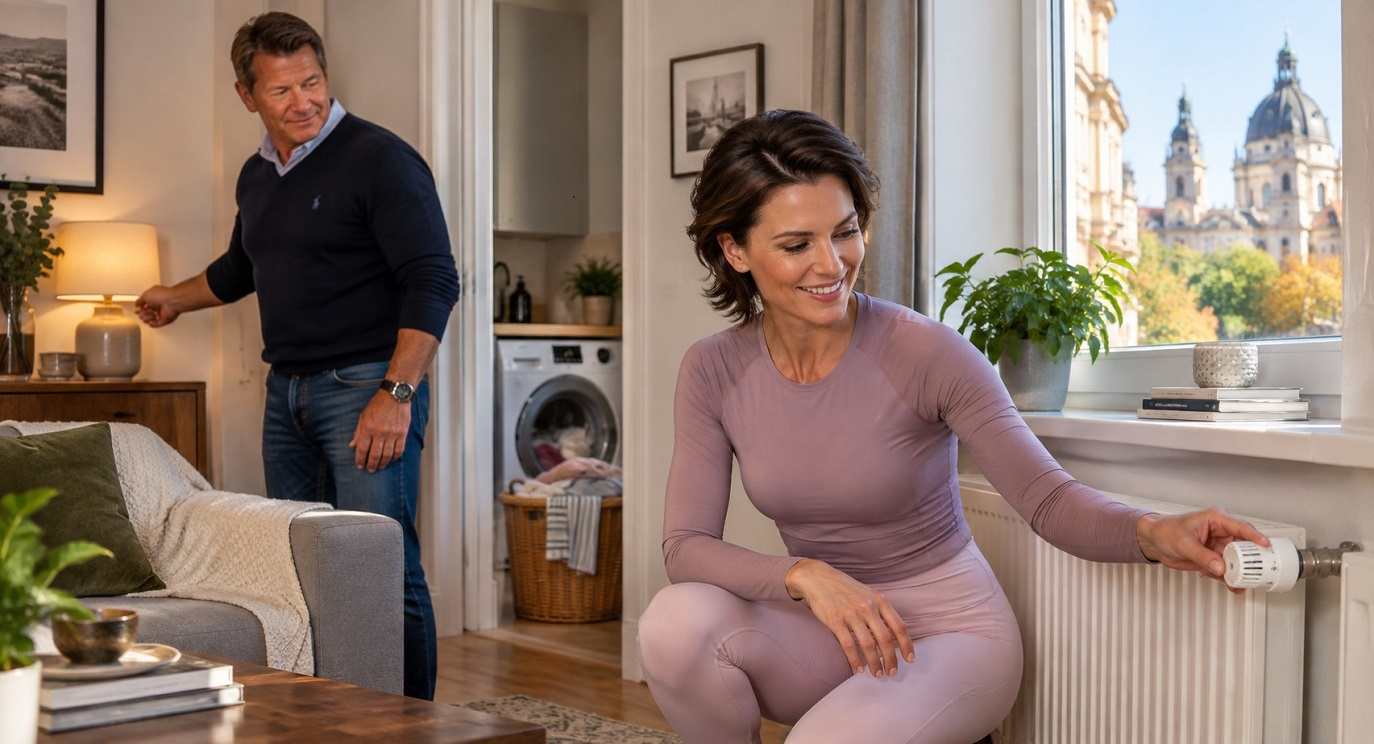
European gas prices have risen sharply just as households are approaching the heating season.
The benchmark European wholesale gas price reached €84 per megawatt-hour this week. It rose 11% last week and is now around 30% higher than a month ago.One reason is that European gas storage levels are relatively low. EU storage facilities are currently around 68% full, almost 20 percentage points below the five-year average. Hungarian storage levels are somewhat higher at around 72%.
The European Commission does not currently expect a shortage of gas, but there is a risk that prices could rise further.Hungarian households are protected from the full effect of wholesale gas prices by regulated residential prices. However, higher wholesale prices still have a cost, because the government support used to maintain reduced residential gas prices is linked to European wholesale gas prices.
For households, the latest increase is also a useful reminder to look at how much gas, electricity and water they are using.
You don't necessarily need expensive upgrades or permanent changes to your home to reduce your utility costs.
Whether you own your property or rent it, a few simple changes can help.
1. Be Smart With the Heating
You don't have to sit in a cold home to use less heating.
Start with the obvious things. Don't leave windows open while the heating is running and avoid blocking radiators with furniture or heavy curtains.
If you can control the temperature in individual rooms, there may also be little point keeping a room you rarely use as warm as the room you spend most of your time in.
“If you're heating a room while the window is open, you're simply paying for heat that is disappearing outside,” says Alex Markus, Chief Executive, City-Lets Ltd.
2. Keep Showers Short
Long showers use more than just water. If your hot water comes from a gas boiler or electric water heater, you are also using energy to heat every extra litre.
A shower timer is a simple way to keep an eye on how long you're spending under the water.
“Long showers can use a surprising amount of hot water,” Markus said. “Cutting a few minutes from your shower means using less water and less energy to heat it.”
Another easy option is to choose a short song and aim to finish your shower before it does.
3. Turn Off the Tap
It's easy to leave water running when you're not actually using it.
Turn the tap off while brushing your teeth or shaving rather than letting the water run continuously.
Think about the same thing in the kitchen. Turn the water on when you need it and off again when you don't. There is no cost involved and nothing in the property needs to be changed.
4. Wait for a Full Load
Try not to run the washing machine or dishwasher when it is only partly full.
Waiting until you have a full load means fewer cycles, which can save both water and electricity.
If your dishwasher can handle dishes without pre-rinsing, that's another easy opportunity to use less water.
5. Deal With Leaks and Problems Early
A dripping tap, leaking toilet or another plumbing problem is worth dealing with rather than ignoring.
Even a small leak means water is being wasted every day.
Heating and hot-water problems deserve attention too. If a radiator isn't warming properly, the boiler is behaving unusually or you notice another problem, have it investigated.
“Ignoring a small problem rarely makes it disappear,” Markus said. “If you own the property, get it checked. If you're renting, report it to your landlord or property manager.”
6. Use Water Twice
Some of the water that normally goes straight down the drain can easily be used elsewhere.
If you have to wait for the shower to become warm, collect the initial cold water in a bucket. It can then be used for cleaning or watering plants.
In the kitchen, you can wash vegetables over a bowl and use the collected water for house plants, balcony pots or the garden.
It takes very little effort and gives water that would otherwise be wasted another use.
7. Switch Things Off When You Don't Need Them
The same thinking can be applied to electricity.
Turn lights off when you leave a room and don't leave electrical equipment running when nobody is using it. Look around the home for things that are consuming electricity without giving you anything useful in return.
“You don't need to make your home uncomfortable to reduce consumption,” Markus said. “Start by looking for the energy and water you're using without getting any real benefit from it.”
Start With the Easy Things
You don't need to renovate your property to have more control over your utility costs.
Start with changes you can make straight away. Use the heating more carefully, spend less time in the shower, turn taps off, wait for a full load before running appliances, deal with leaks and switch things off when they're not needed.
With European gas prices rising ahead of the heating season, now is a particularly good time to see where your household could be using less water and energy.
A handful of everyday changes can reduce consumption without requiring much time, money or effort.