Situation
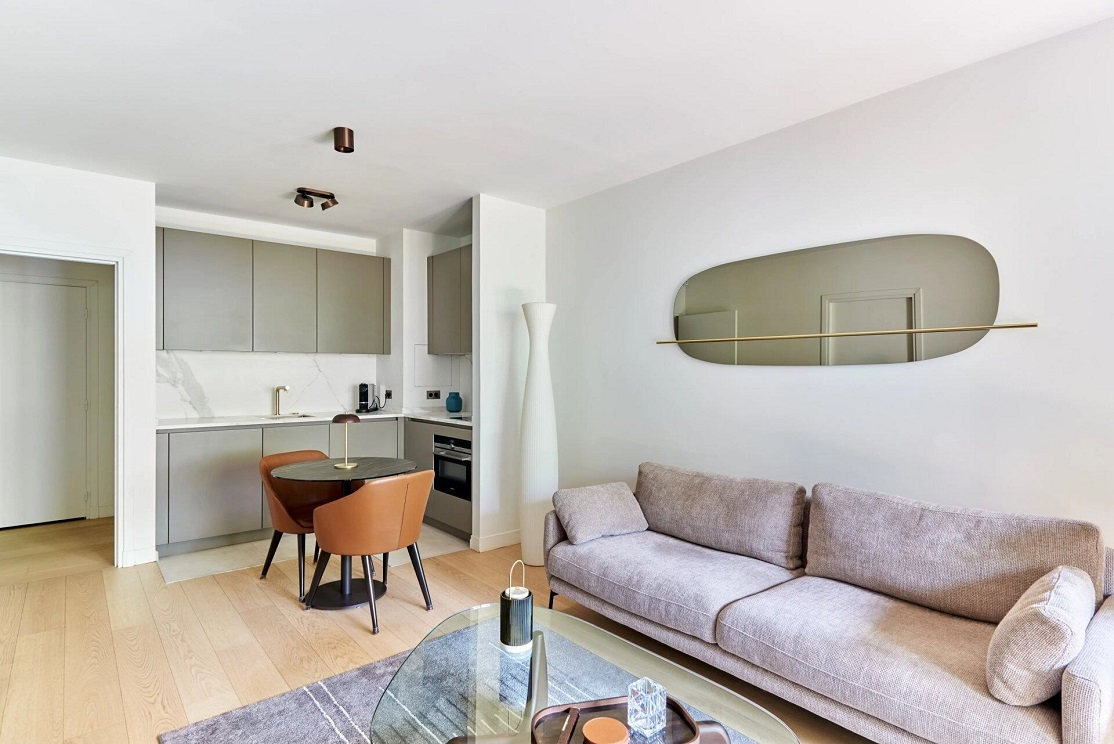
This 1-bedroom, 53 m² apartment on Falk Miksa utca (District V) was rented to a tenant who remained in the property for 7 years.
The goal was not just to rent the apartment, but to maintain stable, long-term income without vacancy.
The challenge
Long-term rentals are not just about finding a tenant they are about keeping the right tenant.
Frequent turnover can be expensive, with vacancy periods and re-letting costs reducing overall return.
The challenge was to increase rent over time without creating pressure that would cause the tenant to leave.
What we did
We applied a gradual rent increase strategy based on market movement, adjusting the rent by approximately 10% per year.
This ensured:
- the rent kept pace with the market
- increases remained manageable
- the tenant felt comfortable continuing the lease
At the same time, the property was maintained to support long-term occupancy.
The result
The tenant remained in the property for 7 years, with no vacancy period during that time.
The rent increased steadily from €500/month to over €900/month, while maintaining a continuous income stream.
If the tenant had left during this period, even a typical vacancy and re-letting process could have cost the equivalent of 1–2 months’ rent, reducing overall return.
Why it worked
Tenants value stability and predictability.
Sudden or large increases often lead to turnover, while gradual and consistent adjustments are more likely to be accepted.
Client perspective
"This approach worked very well for us. We avoided the cost and stress of vacancies while steadily increasing the rent over time."
Final insight
Long-term stability, with consistent increases and no vacancy, often delivers a stronger overall return than maximising rent in the short term.