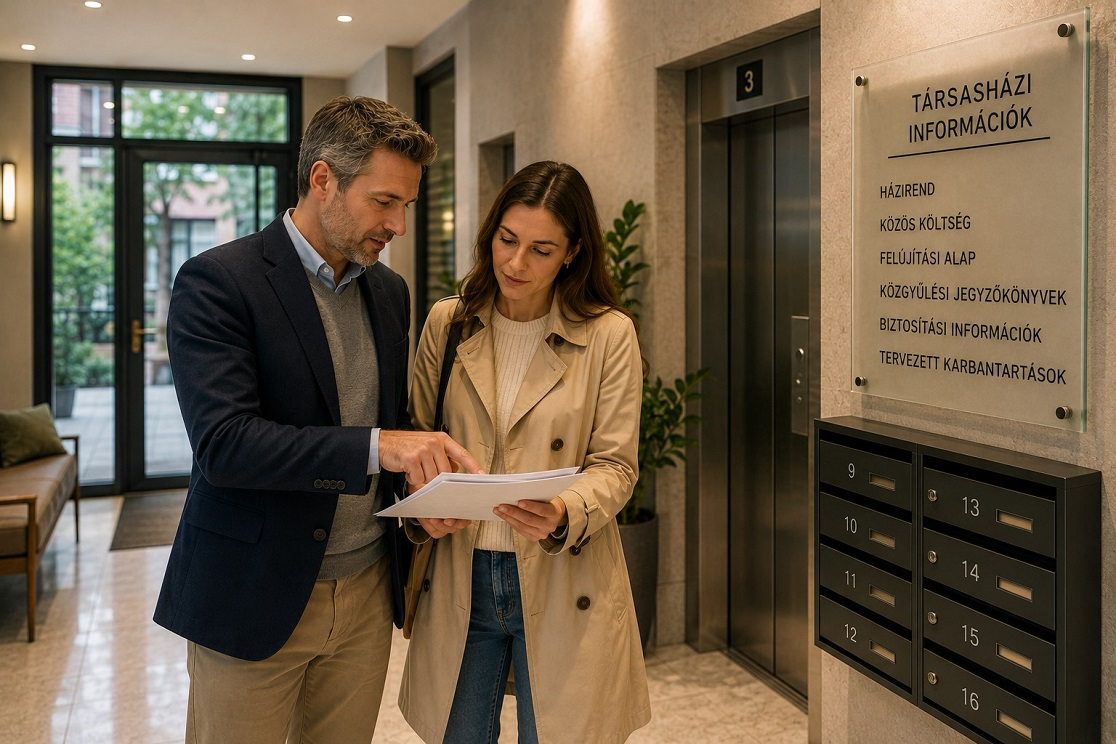
Most buyers begin an apartment viewing with the kitchen, bathroom and bedrooms.
That is understandable. Those are the rooms they expect to use every day. Yet the purchase also includes monthly common costs, building rules, shared facilities and responsibility for future repairs.
A modern kitchen can be replaced. An underfunded building, unclear parking rights or expensive future repairs are far more difficult to fix after you've become an owner.
"Most buyers walk straight through the entrance and begin inspecting the apartment," said Alex Markus, Chief Executive of City-Lets Ltd. "Experienced buyers slow down and examine the parts of the property that all owners are responsible for maintaining together."
1. The Monthly Common Cost Is Only the Starting Point
Apartment owners contribute towards cleaning, lighting, repairs, insurance and the maintenance of shared areas.
Buildings with lifts, gyms, swimming pools, security staff or large landscaped areas generally cost more to operate than buildings with fewer shared facilities. The amount charged to each owner may also depend on the size of the apartment or the ownership share recorded in the building documents.
Ask for the current monthly common cost and exactly what it covers. Heating, water, building insurance or reserve fund contributions may be included in one building but charged separately in another.
Also ask whether the owners' association has outstanding debts and whether money is being set aside for future maintenance.
2. Low Monthly Charges Can Become Expensive Later
Low common costs are not automatically a good sign.
They may reflect efficient management. They can also mean owners have delayed saving for roof repairs, lift replacement, façade renovation or waterproofing.
Ask whether any major works have already been discussed or approved. Read recent meeting minutes and look for repeated references to water leaks, lift faults, structural repairs or unpaid owner contributions.
If the reserve fund cannot cover approved work, owners may be required to make an additional one-off payment.
"The important question isn't simply what the building costs today," Markus said. "It's whether the owners have prepared for the repairs every building eventually needs."
3. Building Rules Can Affect Everyday Life
Every apartment building operates under its own rules.
Before making an offer, ask for a copy of the building regulations and read them carefully.
Check whether pets are allowed, whether short-term letting is permitted, whether renovation work is restricted to certain days or hours and whether there are rules covering balconies, parking or common areas.
Do not rely on verbal assurances. If a particular issue matters to you, make sure the written rules allow it.
4. One Viewing Rarely Shows the Whole Picture
A quiet apartment on a weekday morning can feel very different on a Friday evening.
If possible, visit more than once.
Listen for traffic, neighbouring apartments, lifts, nearby restaurants or bars and activity in the shared areas. Check how much natural light reaches the apartment at different times of day and whether neighbouring buildings reduce privacy or block sunlight.
"The apartment doesn't change between visits," Markus said. "The surrounding environment often does. That's why viewing a property at different times can reveal things you'd never notice during a single appointment."
5. Parking Should Never Be Assumed
A parking space shown during the viewing is not necessarily included in the sale.
Confirm whether it forms part of the apartment's title, is owned separately, is allocated for exclusive use or operates on a first-come, first-served basis.
Inspect the space yourself. Check whether your vehicle can enter the garage comfortably, turn between support columns and allow enough room to open the doors once parked.
Even buyers who do not own a car should consider visitor parking and nearby public transport, as both affect everyday convenience.
6. Storage Space Deserves a Closer Look
Storage is often limited in apartment living.
Check wardrobes, kitchen cupboards and whether there is enough space for cleaning equipment, luggage and seasonal items.
If the property includes a basement room, attic compartment or storage cage, confirm that it belongs to the apartment or that you have documented exclusive use.
Then inspect it carefully. Damp walls, poor lighting, weak security or difficult access can make a storage area much less useful than it first appears.
Also look at bicycle storage, parcel delivery arrangements and the location of the bin store. These practical details quickly become part of everyday life.
7. Shared Facilities Need Regular Maintenance
Lifts, gyms, swimming pools, reception desks, security systems and electronic access controls make apartment living more convenient.
They also require regular servicing, cleaning, repairs and eventual replacement.
Use the lift during the viewing. Test the entrance door and intercom. Look at the condition of the corridors, bin store, bicycle storage and garage.
A faulty security door or an unreliable lift is not simply an inconvenience. Every repair is paid for collectively by the owners.
"The newest apartment isn't automatically the best purchase," Markus said. "The better investment is usually the one where the building is well managed, the running costs are understood and there are no expensive surprises waiting after settlement."
Before making an offer, inspect more than the apartment itself. Understand the common costs, read the building rules, review the owners' records and confirm exactly what is included in the purchase. Those checks often have a greater impact on long-term ownership than the colour of the kitchen cabinets or the style of the bathroom tiles.