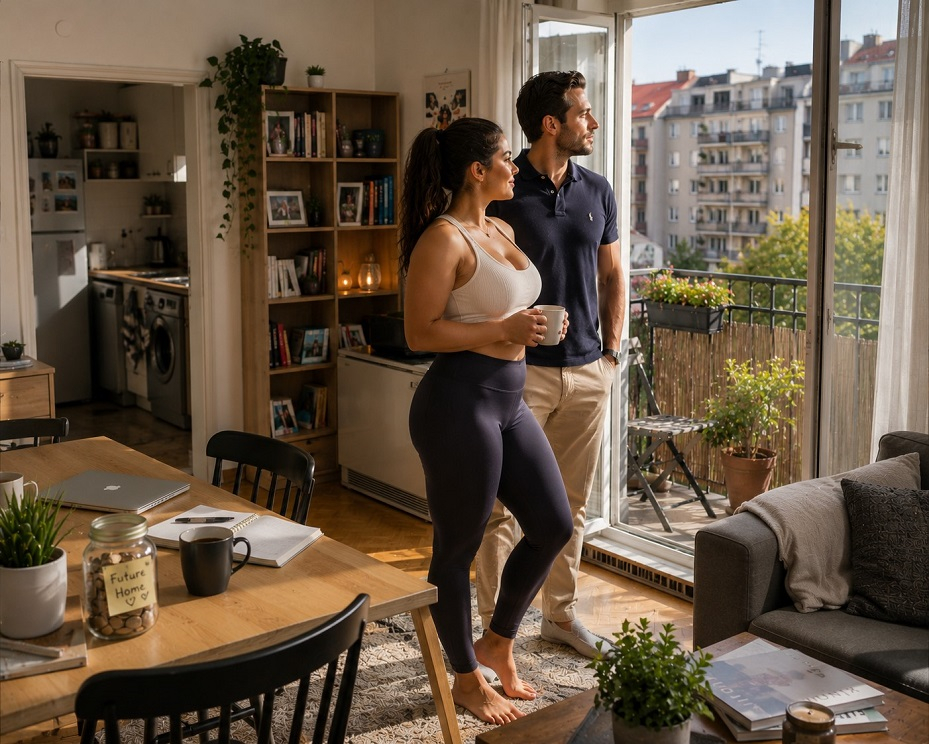
Hungary remains one of Europe's strongest homeownership markets. Around 91-92% of the population owns their home, well above the European Union average of approximately 68%.
Ownership culture remains strong, but the financial calculation has changed for many people. Hungarian house prices increased by roughly 231% between 2010 and 2024, making it one of the strongest periods of residential property growth in the European Union. In Budapest, property prices have risen much faster than rents, and various housing affordability measures now place the city among the more expensive buy-versus-rent markets in the region.
As a result, renting is becoming a more practical longer-term option for some residents, even if homeownership remains the long-term goal.
"Homeownership remains important in Hungary, but rising property prices mean some people are choosing to rent for longer while they build savings, explore different neighbourhoods or wait for the right opportunity to buy," said Alex Markus, Chief Executive of City-Lets Ltd.
Renting Offers Flexibility
One of the biggest advantages of renting is flexibility.
For people who are still deciding where they want to live, renting can make it easier to test different districts before committing to a purchase. A tenant can spend a year in Újlipótváros, move closer to work in District XI, or try a more central location before deciding where they want to buy.
This can be especially useful for young professionals, international workers, students and families whose circumstances may change within a few years. Renting allows them to adjust more easily as jobs, schools, relationships or lifestyle needs change.
Buying usually requires a much longer commitment. Transaction costs, renovation decisions and financing all make moving more complicated once a property has been purchased.
Renting Usually Requires Less Upfront Capital
Buying a home typically requires a deposit, transaction costs, legal fees, renovation costs and often furniture or appliance upgrades. Even before monthly mortgage payments begin, the upfront cost can be significant.
Renting generally requires far less money at the start. Tenants usually need to pay a deposit and the first month's rent, making it more accessible for people who have not yet built enough savings for a purchase.
This lower entry cost can also give renters more time to prepare financially. Some may rent while building a deposit, improving their borrowing position or waiting for the right property to appear.
Renting does not build ownership equity, but it can provide breathing room while major financial decisions are being considered.
Maintenance Is Usually Simpler for Tenants
Another practical advantage of renting is that tenants are not usually responsible for major property repairs.
If a boiler fails, a pipe leaks or an electrical issue needs attention, the landlord is generally responsible for arranging the repair. Tenants still need to look after the property properly, but they are not usually carrying the same long-term maintenance obligations as owners.
For some people, this simplicity is part of the appeal. They can enjoy the home without needing to budget for building repairs, major appliance replacement or unexpected renovation costs.
Ownership gives more control, but it also brings more responsibility.
Renting Can Help People Understand What They Really Want
Renting can also be a useful step before buying.
Living in different types of homes can help people understand what matters to them. A tenant may discover that natural light is more important than floor area, that storage matters more than expected, or that a quieter street is worth more than being directly in the city centre.
Those lessons can be valuable when it comes time to buy. A year in a rental property can reveal far more about daily living than a 20-minute property viewing.
"Renting can give people time to understand what kind of home actually suits them," Markus said.
"That can be very useful before making a major purchase decision."
Owning Still Offers Long-Term Security
While renting offers flexibility, ownership remains attractive for many people because it provides long-term security and control.
Owners are not exposed to lease renewals in the same way tenants are. They can renovate, change the layout, choose finishes and make long-term plans without needing landlord approval.
Buying can also build wealth over time if property values rise and the mortgage is gradually repaid. For many households, this remains one of the main reasons ownership is still so strongly preferred in Hungary.
However, buying works best when the property, financing and life stage all align. If someone expects to move again soon, needs flexibility or is not financially ready, renting can remain the more practical choice for a period of time.
The Right Choice Depends on Timing
Renting and buying serve different purposes.
Renting can provide flexibility, lower upfront costs and fewer maintenance responsibilities. Buying can offer stability, control and the opportunity to build long-term equity.
In Budapest, where purchase prices have risen sharply compared with rents, the decision is increasingly about timing as much as preference. Some residents may still aim to buy eventually, but renting gives them time to choose carefully rather than rush into the wrong property.
The best option is not always the same for everyone. It depends on finances, lifestyle, location, career plans and how long someone expects to stay in one place.
For many Budapest residents, renting is no longer simply a short-term compromise. It can be a practical step that gives people time, flexibility and confidence before making one of the biggest financial decisions of their lives.