Hungary has just experienced its hottest weather on record, with temperatures reaching 42°C during this summer's heatwave.
According to HungaroMet, today's children have already experienced around 30 times more days above 35°C than the X Generation did during childhood. Heatwaves are becoming longer, hotter and more frequent, making it increasingly important for homes to stay comfortable during extreme summer weather as well as cold winters.
"Keeping a home comfortable is no longer just about winter heating," said Alex Markus, Chief Executive of City-Lets Ltd. "The way a property performs during a heatwave is becoming just as important."
1. Keep the Sun Outside Before It Reaches the Glass
Many people close curtains after sunlight has already entered the room.
By then, much of the heat has already passed through the window.
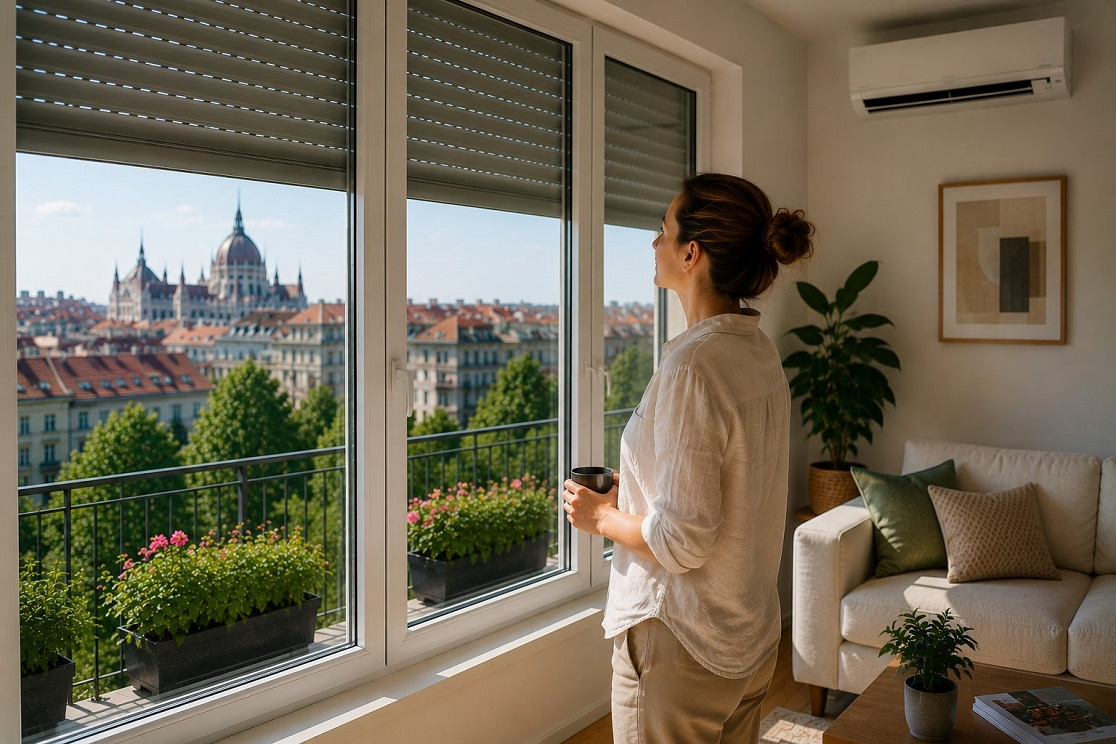
External shutters, roller shutters, awnings and external blinds block sunlight before it reaches the glass, making them far more effective than curtains or internal blinds. Even simple external shading can noticeably reduce indoor temperatures, particularly in west-facing rooms that receive intense afternoon sun.
2. Triple Glazing Is Becoming a Summer Feature Too
Double glazing is now standard in most newer Hungarian homes, but triple glazing is becoming increasingly common in high-performance properties.
Modern three-pane windows use argon-filled cavities and low-emissivity coatings to reduce heat transfer. They help keep heat outside during summer, reduce heating costs during winter and improve sound insulation throughout the year.
Large areas of glazing still need effective external shading, especially where they receive strong afternoon sun. Triple glazing slows heat transfer, but it cannot prevent rooms from overheating on its own.
3. Ventilation Is About Timing, Not Duration
Opening windows throughout the day usually makes a home warmer, not cooler.
Ventilate early in the morning while outdoor temperatures remain low. Once the outside air begins to heat up, close the windows, doors and shutters to keep cooler air inside. Open everything again after sunset when temperatures begin to fall.
This simple routine is one of the most effective ways to reduce indoor temperatures without air conditioning.
4. Insulation Works Both Ways
Many homeowners think insulation is only there to reduce heating bills.
In reality, good external insulation also slows heat entering the building during summer. Well-insulated walls and roofs heat up more slowly, helping indoor temperatures remain more stable throughout a prolonged heatwave.
Combined with effective shading and sensible ventilation, insulation can significantly improve summer comfort.
5. Some Homes Overheat Faster Than Others
Not every property responds to extreme heat in the same way.
Top-floor apartments, attic conversions, homes with dark roofs and properties with large west-facing windows usually become much warmer than lower floors or shaded homes. These differences are not always obvious during a spring or autumn viewing.
Ask how the property performs during a typical heatwave rather than assuming every apartment in the building feels the same.
6. Air Conditioning Isn't the Only Answer
Air conditioning provides rapid cooling, but it works best as part of a wider strategy.
Ceiling fans use far less electricity while improving comfort by increasing air movement. Switching off unnecessary electrical appliances, avoiding oven use during the hottest part of the day and drying clothes outdoors instead of using a tumble dryer can also reduce unwanted heat inside the home.
If installing air conditioning, choose a correctly sized system and ensure any external units comply with building or condominium requirements.
7. Summer Comfort Should Be Part of Every Property Viewing
Most buyers ask about heating costs. Increasingly, they should also ask how the property performs during summer.
Find out whether the home has external shutters, whether the windows are double or triple glazed, what insulation has been installed and whether the existing air conditioning can comfortably cool the property during a prolonged heatwave.
As Hungary's summers become hotter and heatwaves last longer, features that once improved comfort are becoming features that influence everyday liveability. A home that stays cool naturally is likely to be more comfortable, more energy efficient and better prepared for the summers ahead.